
Multi-chain Assets
Keep asset context clear across networks and verify addresses and confirmations.
A multi-chain wallet, blockchain network and Web3 knowledge hub from imtoken
imtoken explains multi-chain assets, network selection, sending and receiving, DApp connections, token approvals, blockchain concepts, and wallet security so users can understand what each action does and how to verify the result.
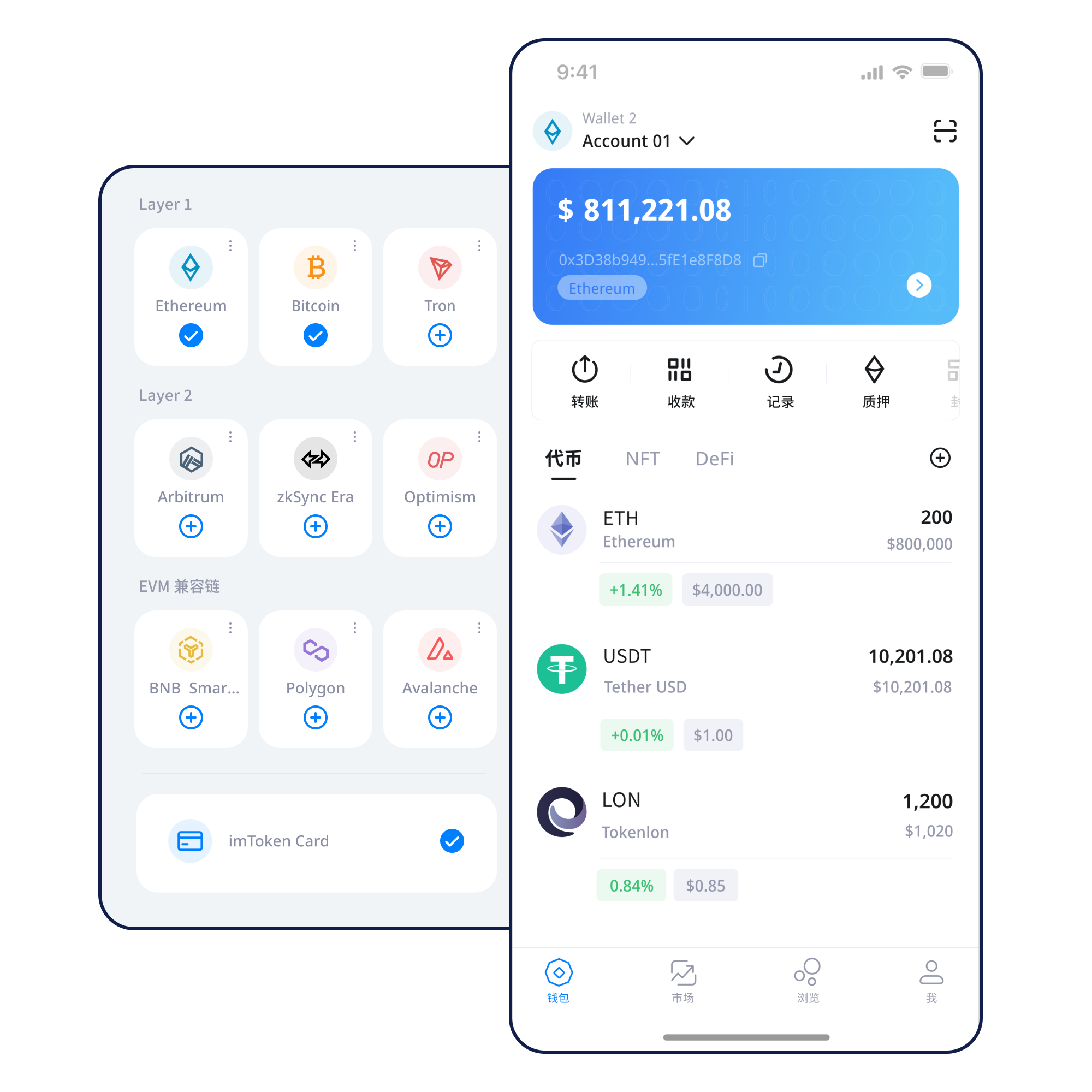
Break common tasks into verifiable steps so networks, addresses, and permissions stay clear.
Learn the role of addresses, networks, and recovery information before creating a wallet.
Read guide →Keep recovery information offline and avoid screenshots, chat forwarding, or exposed cloud storage.
Read guide →Confirm the network before sharing an address, then verify the transfer on-chain.
Read guide →Verify address, network, amount, and fee before submitting, then check the transaction hash.
Read guide →Connection only opens an interaction channel; review every later signature and approval.
Read guide →Keep asset context clear across networks and verify addresses and confirmations.
Check the receiving address, network, amount, gas, and transaction hash.
View assets, manage networks, inspect history, and connect to DApps on mobile.
Understand account connections, approval review, DApp access, and disconnection in a browser environment.
Back up recovery information offline, keep private keys private, and review signatures and approvals one by one.
Use the correct block explorer to verify hashes, status, and confirmations.
Understand independent network state, address context, and chain switching to reduce mistakes.
Read more →Understand public chains through nodes, blocks, transactions, confirmations, and explorers.
Read more →
Use the site download entry and verify the domain and page source.
Understand the difference between creating and importing, and never disclose private keys.
Keep the seed phrase offline and avoid screenshots, exposed cloud storage, or chat forwarding.
Confirm the active network before transfers; similar address formats still require separate verification.
Verify the address, network, amount, and gas before submitting.
Review the transaction hash and periodically remove DApp approvals you no longer need.
Connecting a wallet does not mean every signature request should be approved. Review each signature and approval separately.
Open the Web3 guide →Seed phrases and private keys remain under user control. Official personnel will not ask for them, and you should never send a seed phrase, private key, or verification code to anyone. On-chain transactions generally cannot be unilaterally reversed by a wallet, and third-party DApps and smart contracts can involve risk, so verify addresses, networks, amounts, spenders, and permission scope before acting.
Open Security →Understanding addresses, seed phrases, private keys, networks, gas, transaction hashes, DApps, and approvals helps you know what can be public, what must stay secret, and what should be verified on-chain.
Read Getting Started →Learn Ethereum PoS, validators, reward sources, network state, withdrawals, and exit mechanics. Staking does not guarantee returns, and rewards can change.
Read the basics →Validators may face protocol penalties, exits may involve waiting, smart contracts and third-party services carry technical or operational risk, and digital-asset prices can fluctuate.
Learn about validators →The download entry always leads to the imtoken download service page. Keep verifying the domain, network, address, and permissions before acting.